
Pixie cuts for thin hair over 50 are all about creating the illusion of fullness without relying on heavy styling. The right pixie uses strategic layering, controlled length, and smart shaping to build volume where it matters most—typically at the crown and top. A well-executed cut can make fine hair appear thicker, more structured, and easier to manage.
Shorter styles reduce weight, allowing the hair to lift naturally instead of falling flat. At the same time, texture and subtle layering prevent the cut from looking too sparse or overly soft. The goal is balance—enough structure to hold shape, but enough lightness to maintain movement.
These pixie variations are designed specifically to enhance thin hair. Each one focuses on maximizing volume, improving texture, and keeping styling simple and effective.
Why It Stays Popular
Pixie cuts remain popular for thin hair because they instantly create the appearance of density and lift. By removing excess length, the hair becomes easier to style and naturally more voluminous.
They also require less maintenance compared to longer styles. With the right cut, daily styling becomes minimal while still delivering a polished, modern look. This combination of ease and effectiveness keeps pixie cuts consistently in demand.
Layered Volume Pixie
A layered volume pixie uses short, stacked layers at the crown to build height and create the illusion of thicker hair. The layering is concentrated where volume is most needed.
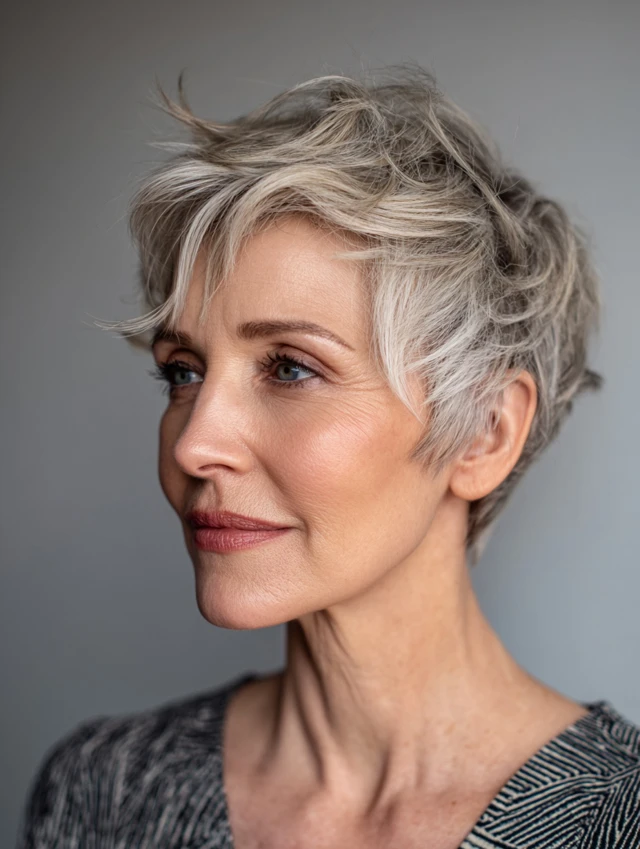
Blow-drying with light lift enhances the effect, but the cut holds shape even with minimal styling. This makes it a reliable option for thin hair, offering fullness without requiring constant effort or heavy products.
Textured Pixie with Piecey Layers
A textured pixie with piecey layers breaks the hair into small sections, creating separation and dimension. This prevents thin hair from appearing flat or uniform.
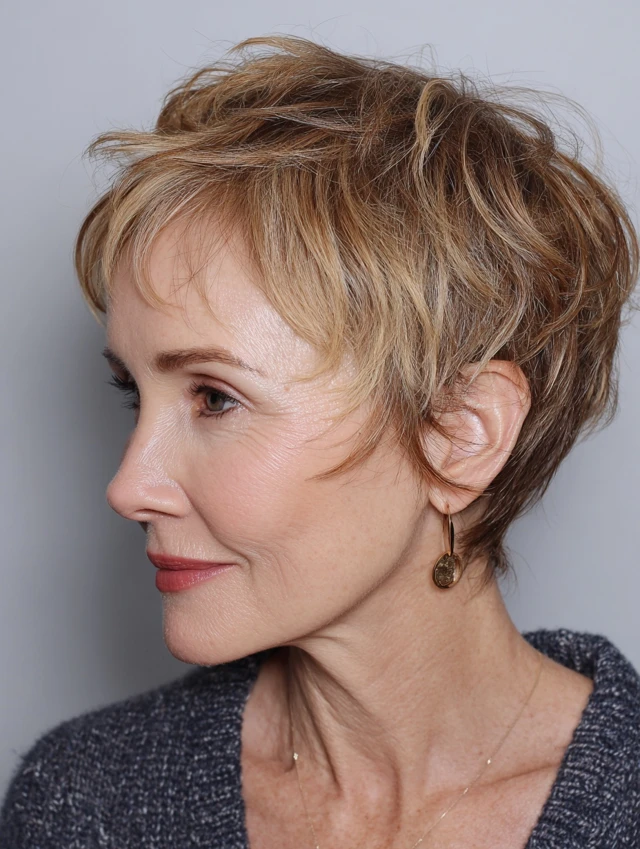
A small amount of texturizing product enhances definition without weighing the hair down. The result feels modern and dynamic, making it an excellent choice for adding visual density to finer hair types.
Tapered Pixie with Lift
A tapered pixie with lift keeps the sides and back close while building volume at the crown. The tapering removes excess weight, allowing the top to stand out.
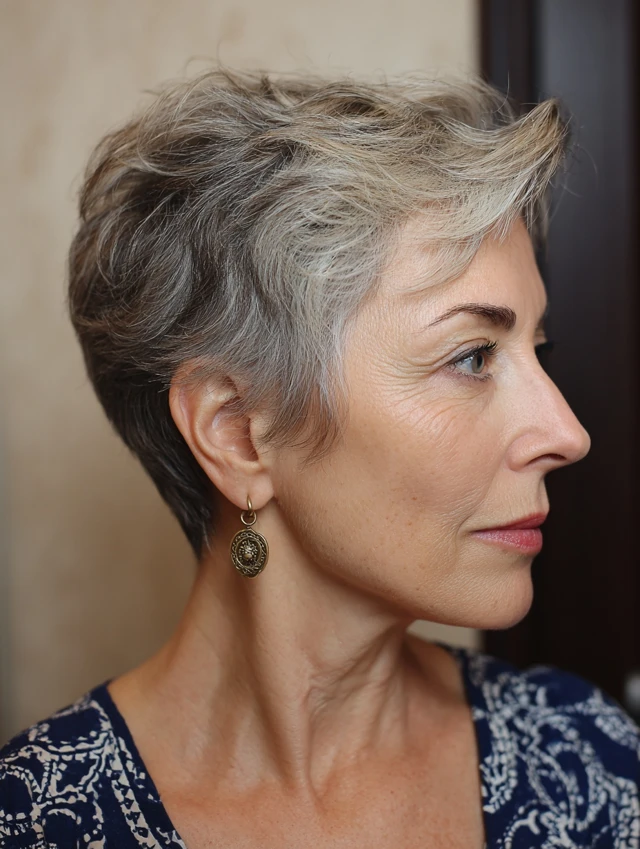
This structure creates a balanced silhouette that naturally appears fuller. It’s easy to maintain and works well for those who want a clean yet voluminous look with minimal styling effort.
Soft Feathered Pixie
A soft feathered pixie uses light, airy layers to create movement and fullness without harsh edges. The feathering technique prevents the hair from looking sparse.
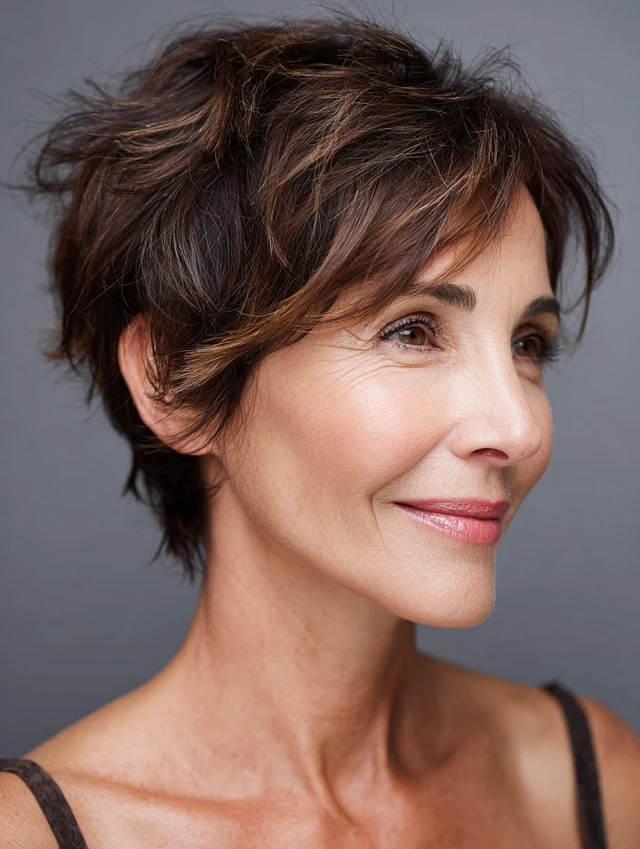
Blow-drying enhances the softness, but the cut still falls into place naturally. This style feels gentle and flattering, making it ideal for adding subtle volume to thin hair.
Pixie with Side-Swept Fringe
A pixie with a side-swept fringe adds density around the front, helping the hair appear fuller overall. The angled fringe creates movement and softness.
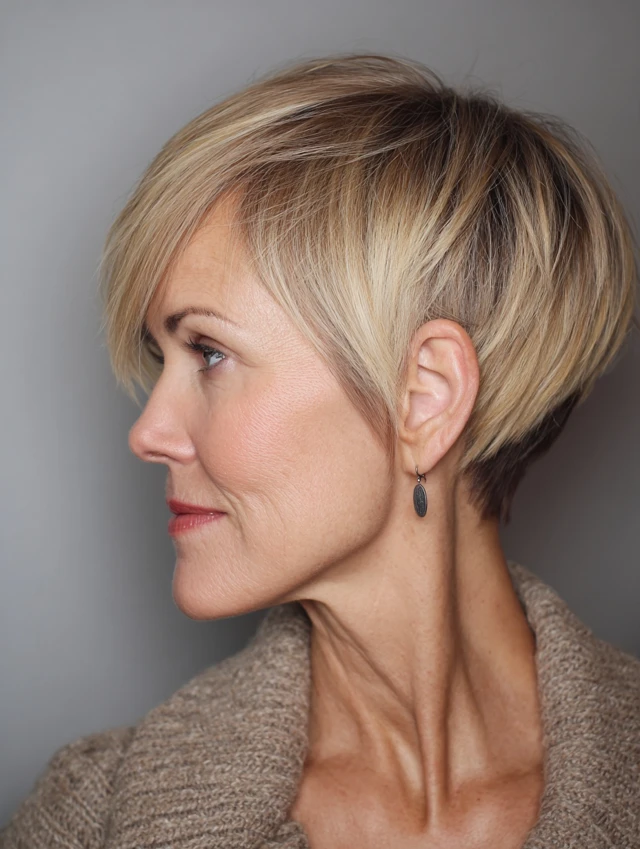
This style draws attention across the face rather than downward, enhancing balance. It’s a flattering option that adds dimension without increasing maintenance.
Short Crop Pixie
A short crop pixie keeps the length minimal, reducing the weight that can cause thin hair to fall flat. The shorter structure helps maintain lift.
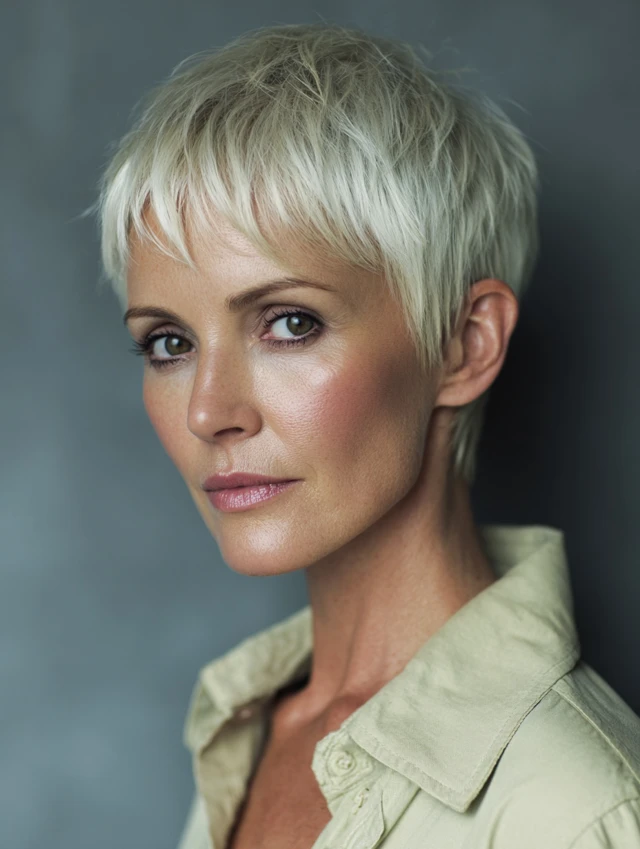
This style requires very little styling and holds its shape well. It’s ideal for those who want a clean, low-maintenance look that still enhances volume.
Pixie with Crown Volume
A pixie with crown volume focuses on building height at the top while keeping the rest of the hair neatly shaped. The lifted crown creates fullness.
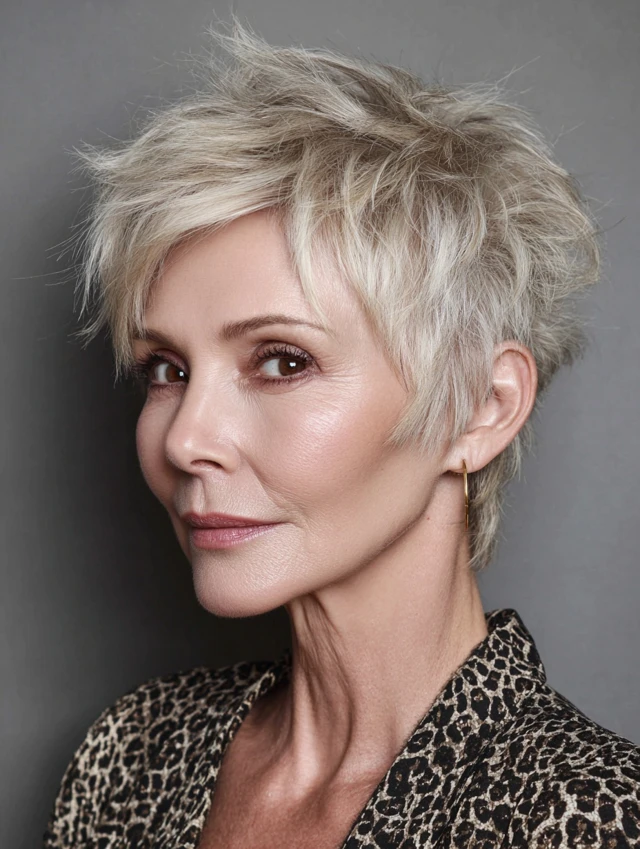
Using a volumizing product enhances the effect without stiffness. This style delivers a balanced and flattering silhouette that works especially well for fine hair.
Choppy Pixie Cut
A choppy pixie cut introduces uneven layers that create texture and dimension. The choppiness prevents the hair from appearing too thin or flat.
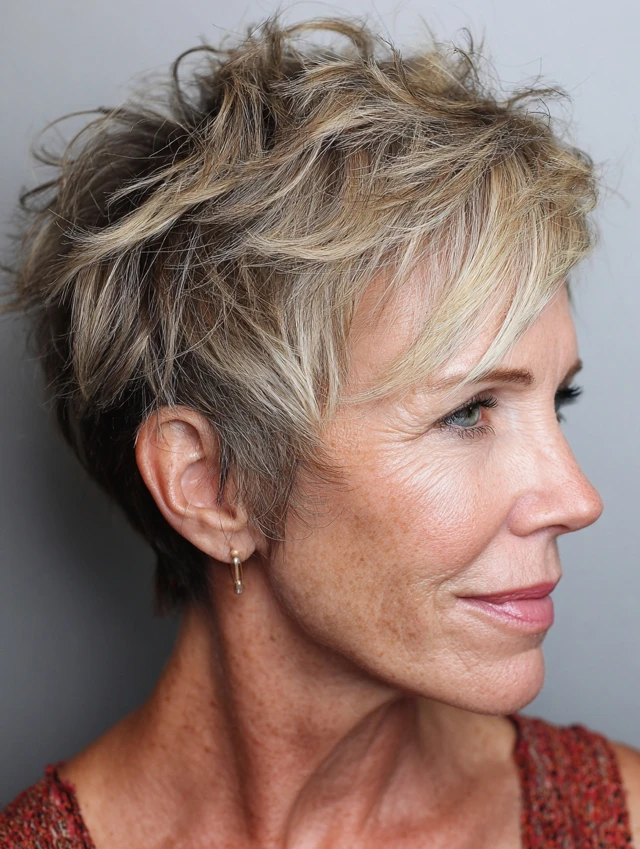
Styling is minimal, often requiring just a light product to define the layers. The result feels modern and full of movement, making it a great option for thin hair.
Pixie Bob for Thin Hair
A pixie bob combines short layers with slightly longer sections to create a fuller shape. The added length helps build density while maintaining lightness.
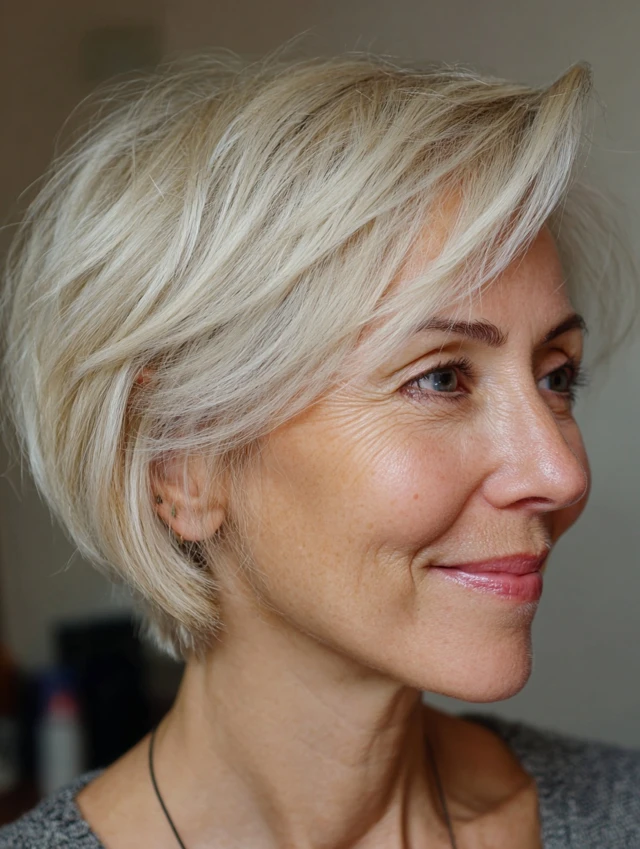
The layers ensure the hair falls naturally without appearing heavy. This hybrid style offers versatility while still being easy to manage.
Sleek Tapered Pixie
A sleek tapered pixie focuses on smooth lines and a clean shape, helping thin hair appear more structured. The tapering adds subtle volume.
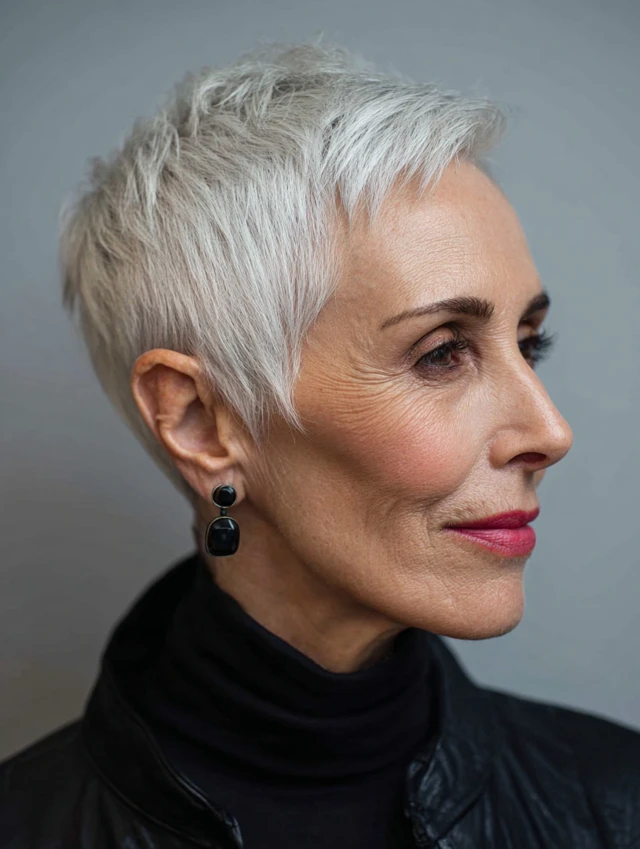
Flat ironing enhances the sleek finish when desired. This style feels polished and refined, making it suitable for both casual and formal settings.
Tousled Textured Pixie
A tousled textured pixie embraces natural movement, creating the illusion of fuller hair through soft separation. The slightly undone finish adds volume.
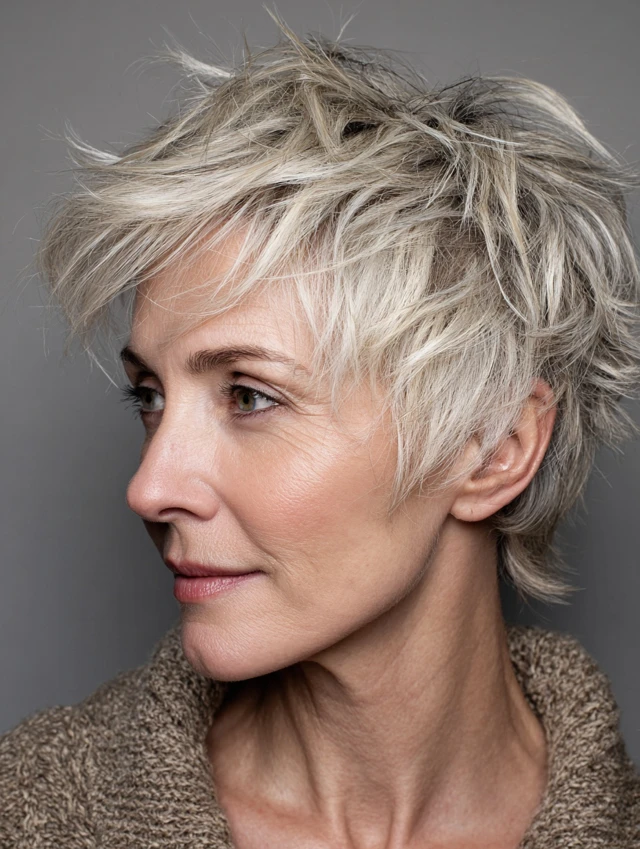
A texturizing spray enhances the effect without heaviness. This style feels effortless and modern, making it ideal for everyday wear.
Pixie with Long Top Layers
A pixie with long top layers keeps extra length at the crown, allowing for more styling flexibility and added fullness. The contrast builds dimension.
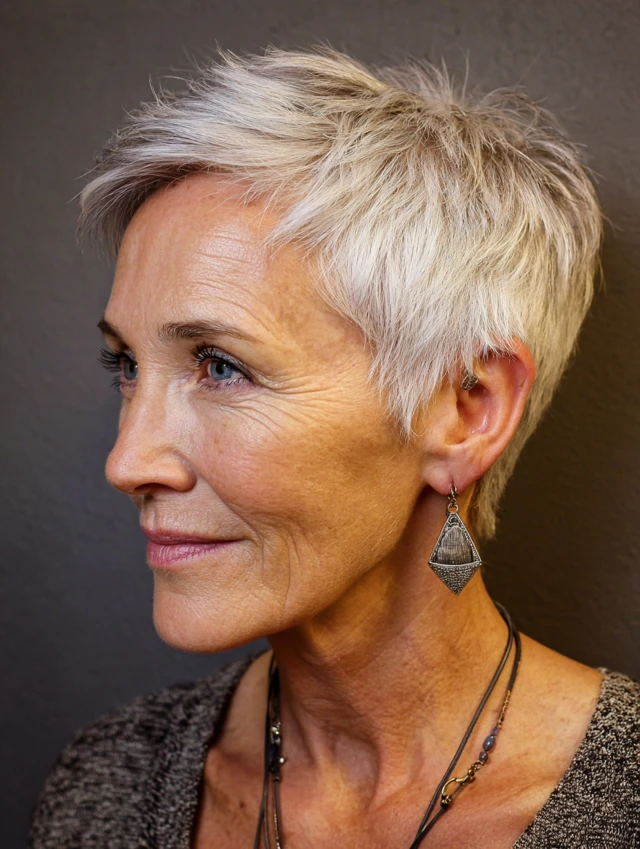
The longer layers can be styled with light waves or left natural. This option provides volume while maintaining a soft, modern appearance.
Curly Pixie for Thin Hair
A curly pixie for thin hair enhances natural texture to create volume and movement. The curls add body that fine hair often lacks.
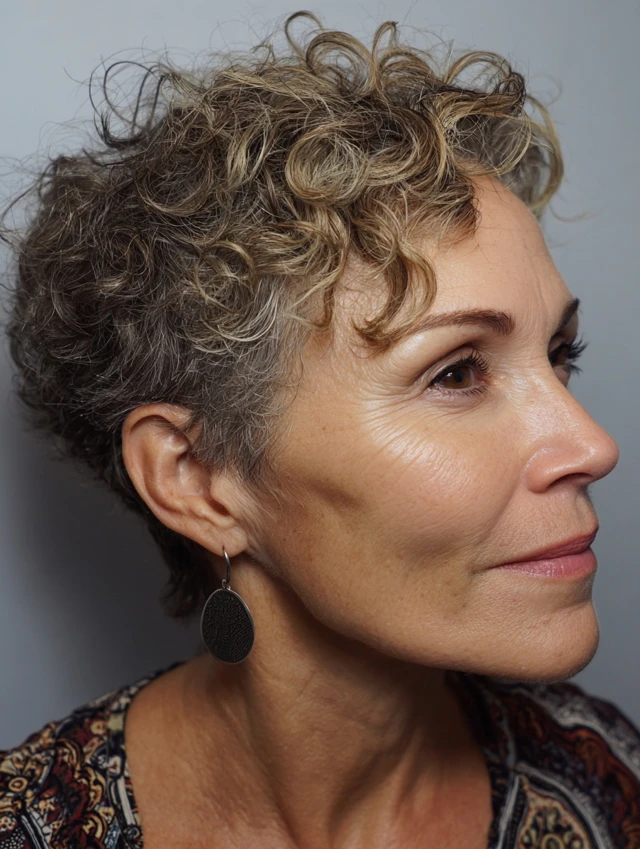
Using a curl-defining product keeps the shape intact. This style feels lively and full while remaining easy to maintain.
Undercut Pixie for Volume
An undercut pixie removes bulk underneath while allowing the top layers to appear fuller. This contrast creates a lifted effect.
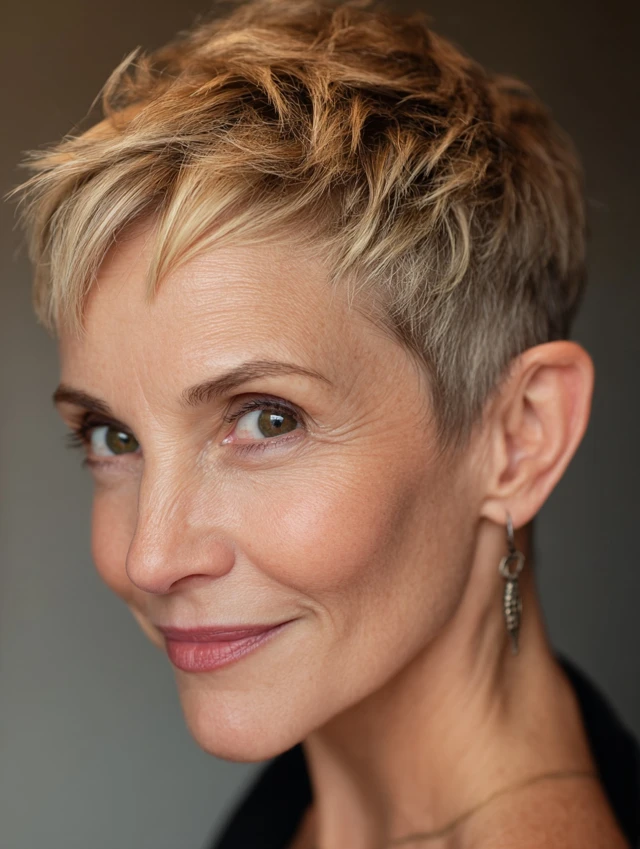
The reduced weight makes styling quicker and more effective. It’s a practical option for adding volume without increasing effort.
Airy Layered Pixie
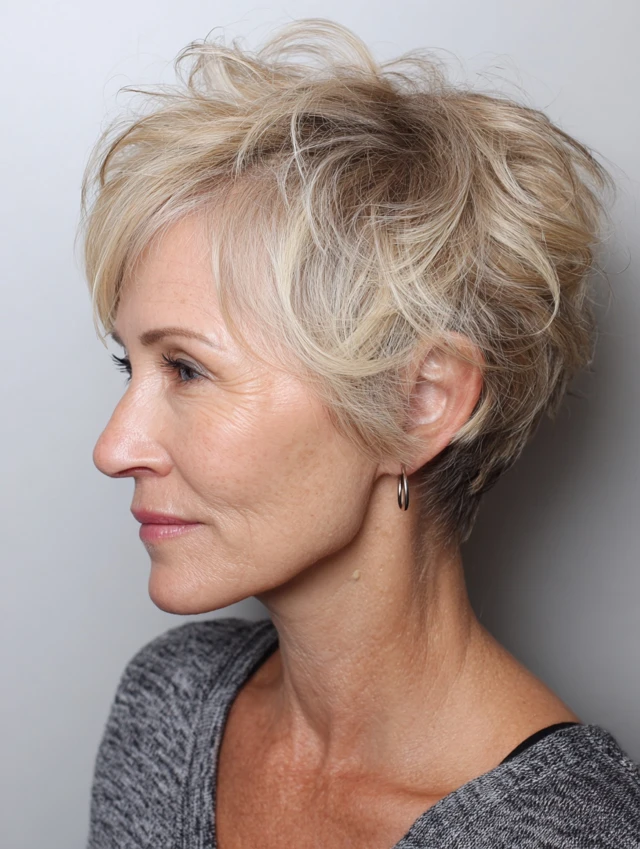
An airy layered pixie uses light, delicate layers to create softness and movement. The airy effect prevents the hair from appearing dense or flat.
This style works well with minimal styling, as the layers guide the shape naturally. It’s a flattering option for thin hair that needs subtle volume.
Side-Parted Volume Pixie
A side-parted volume pixie shifts the hair to one side, instantly creating lift and fullness. The side part adds asymmetry and dimension.
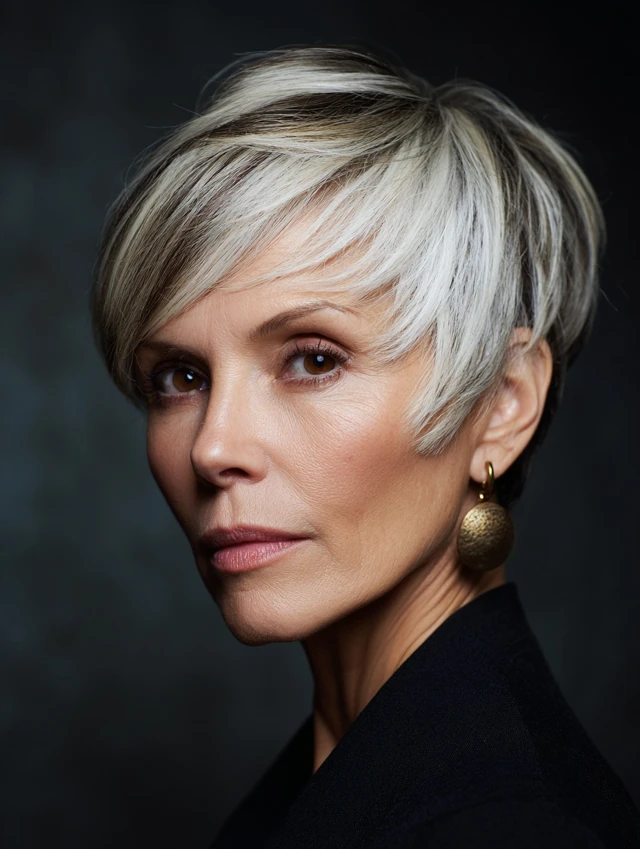
This simple adjustment enhances the overall shape without requiring extra styling. It’s an easy way to make thin hair look thicker and more dynamic.
How to Nail That Hairstyle
Focus on lightweight layering that enhances volume without removing too much density. Blow-drying with lift at the roots can amplify fullness, but the cut itself should do most of the work.
Avoid heavy products that weigh the hair down. Regular trims keep the shape sharp and prevent the style from losing its volume. Choosing the right pixie cut for your hair type ensures consistent results with minimal effort.
Final Thoughts
Pixie cuts for thin hair over 50 offer a smart, effective way to create volume and improve manageability. The right cut can transform fine hair into a fuller, more structured style.
By focusing on layering, texture, and balance, these pixie variations deliver a modern, flattering look. With minimal styling, you can maintain a hairstyle that feels both effortless and polished.