
Not every haircut plays it safe — and the Trixie cut has no interest in doing so. Bold, deliberately dramatic, and unapologetically edgy, the Trixie cut is for women who want their hair to make a statement. It’s been quietly building momentum in salons and on social media, and it’s now firmly established as one of the most distinctive cuts of the moment.
If you’re ready for something genuinely different — a cut that turns heads and reflects a real sense of personal style — the Trixie cut deserves your attention.
What Is the Trixie Cut?
The Trixie cut is a short-to-medium layered cut defined by dramatic volume at the crown and close-cropped sides and nape. It draws inspiration from 1960s mod cuts, 1980s new wave styles, and the contemporary mullet revival, combining them into something that feels fresh and distinctly modern.
The defining characteristics are: significant volume and length at the crown, tightly tapered sides, a strong silhouette that’s wider at the top than the sides, and a deliberate, sculptural quality. It’s a cut that’s clearly intentional — the opposite of the effortless, undone aesthetic of styles like the shag or the cloud cut.
The name is a nod to the bold, theatrical quality of the cut — it references retro-inspired style icons while being thoroughly contemporary in its execution.
The Trixie Cut vs. Similar Styles
- Trixie cut vs. pixie — A pixie is uniformly short. The Trixie cut has significant length and volume at the crown, making it more dramatic and architectural.
- Trixie cut vs. mullet — The mullet is defined by short front and sides with long back. The Trixie cut’s length is concentrated at the crown, not the back.
- Trixie cut vs. wolf cut — The wolf cut is shaggy and textured. The Trixie cut is more structured and sculptural.
Who Is the Trixie Cut For?
Personality and Lifestyle
The Trixie cut suits women who are comfortable with hair that demands attention. It’s not a background style — it’s a foreground style. If your aesthetic leans toward bold, eclectic, vintage-inspired, or fashion-forward, the Trixie cut will feel like a natural extension of your identity.
It’s also well-suited to women who want a low-maintenance cut — despite its dramatic appearance, the Trixie cut’s structure means styling is relatively straightforward once you know how to work with the shape.
Hair Types
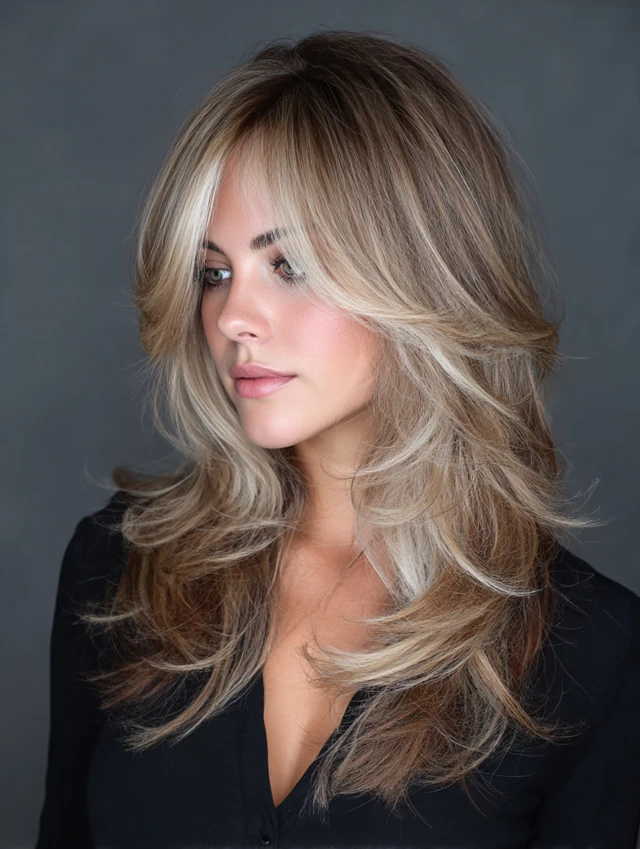
Soft Layered Trixie
This version leans into soft, feathered layers that frame your face without looking too sharp or dramatic. The back is slightly longer than a pixie, but not as pronounced as a mullet, giving you a balanced, airy shape.
1

2
3
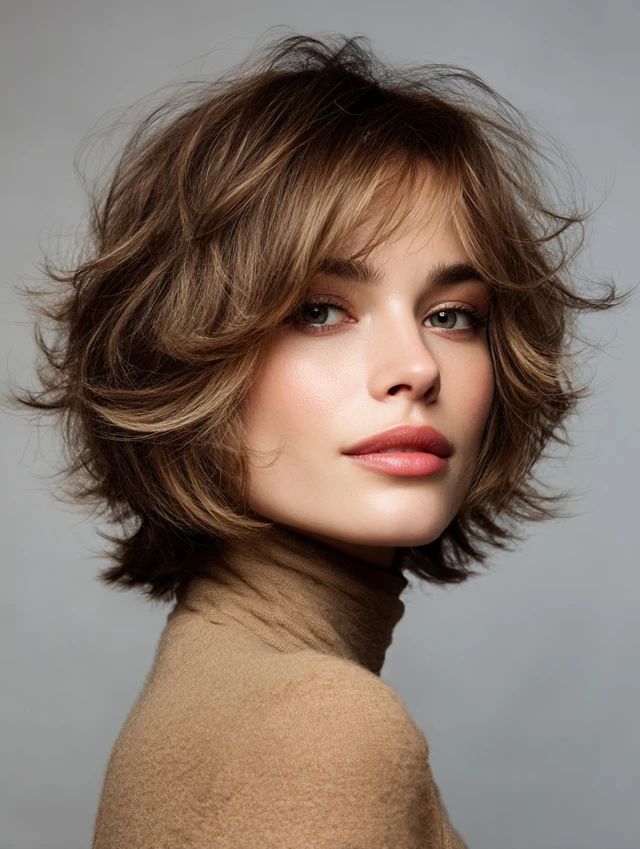
It works really well if you like a “just woke up like this” aesthetic—minimal styling, a bit of texture spray, and you’re good. It’s also great if you’re transitioning from longer hair and want something playful but not too extreme.
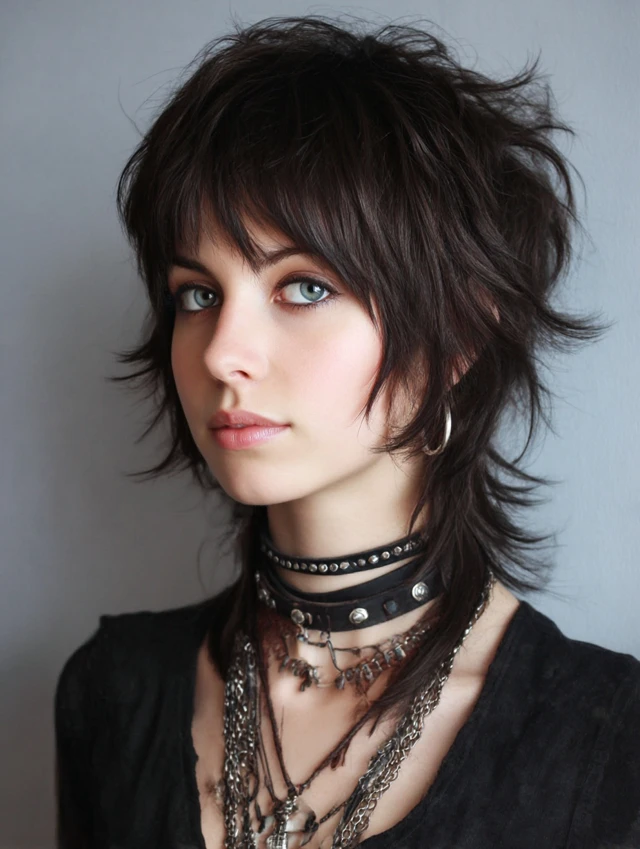
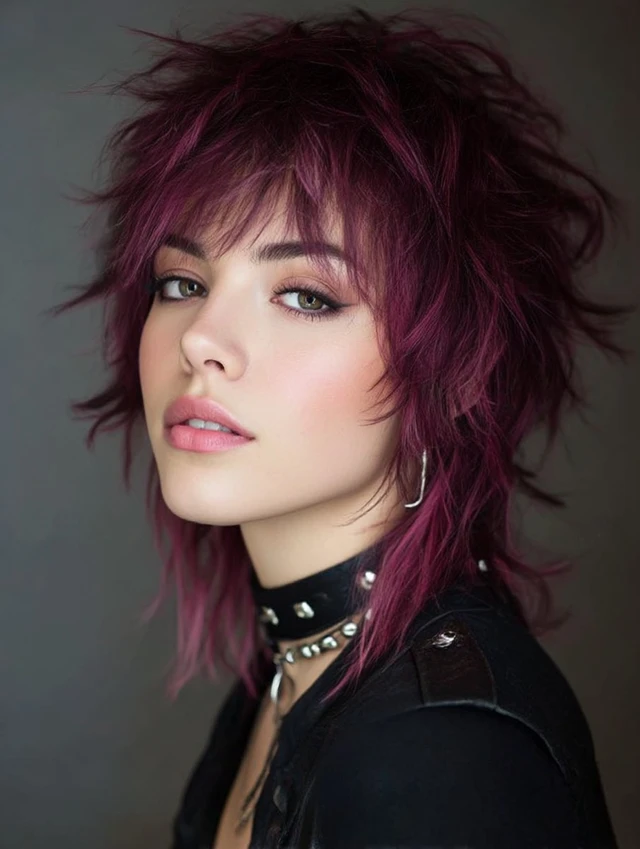
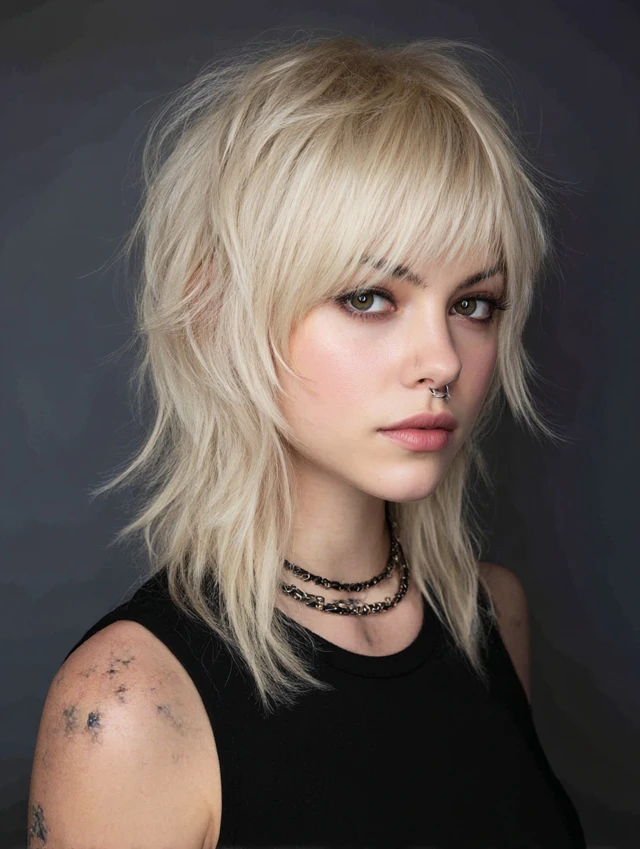
Edgy Shag Trixie
A trixie cut looks amazing with natural curls or waves because the layers enhance your texture instead of fighting it. The shape becomes fuller and more dimensional, with curls giving life to the crown and softness around the face.
1
2
3
4
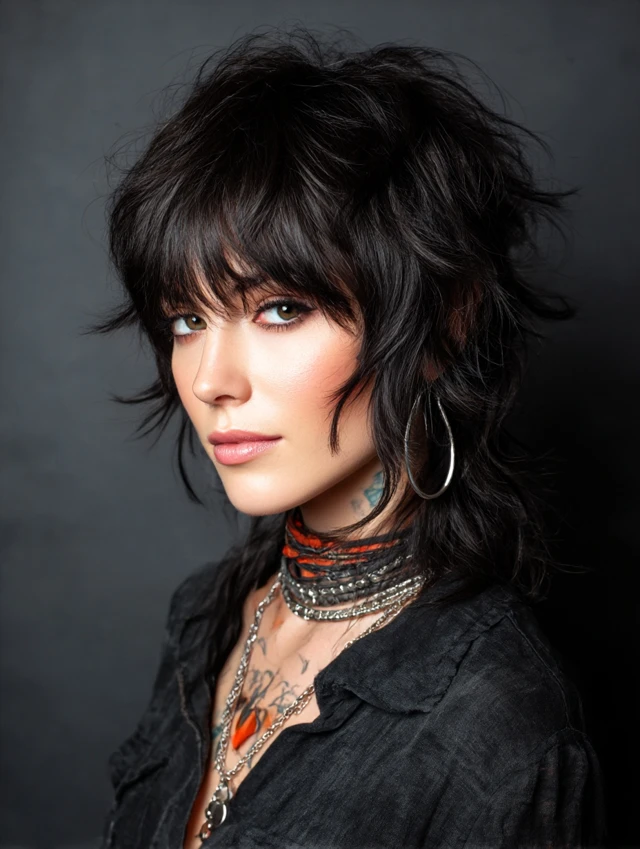
It’s low-maintenance if you already embrace your natural pattern—just some curl cream and diffusing can bring it out beautifully.
Sleek Trixie with Fringe
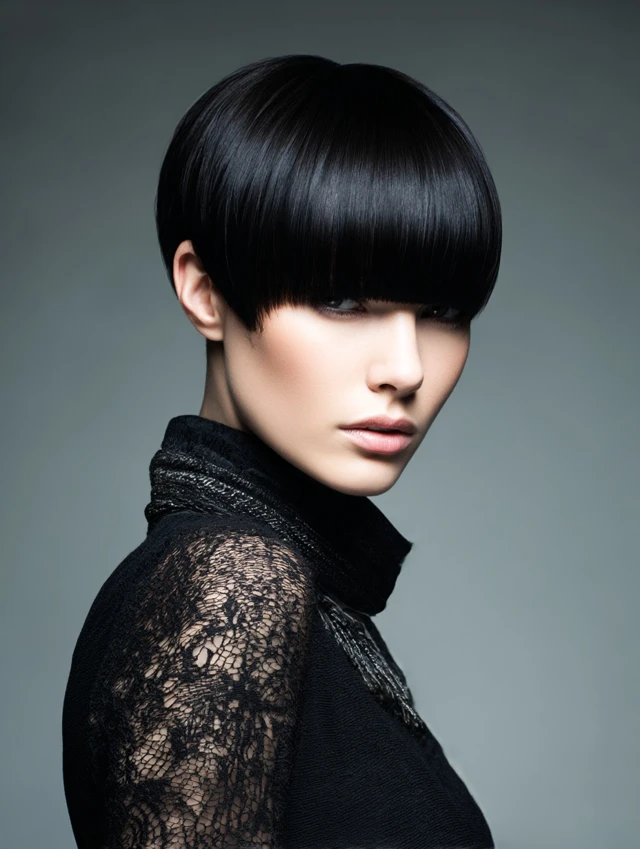
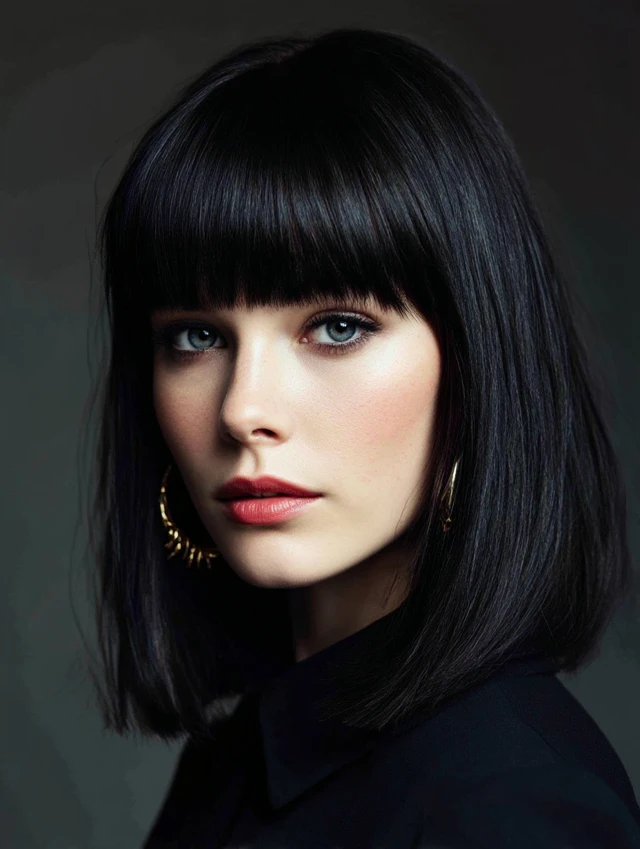
For a more refined look, you can go with a sleeker trixie that keeps the layers controlled and adds a fringe (bangs). This version feels more structured and modern, almost editorial.
1
2
3
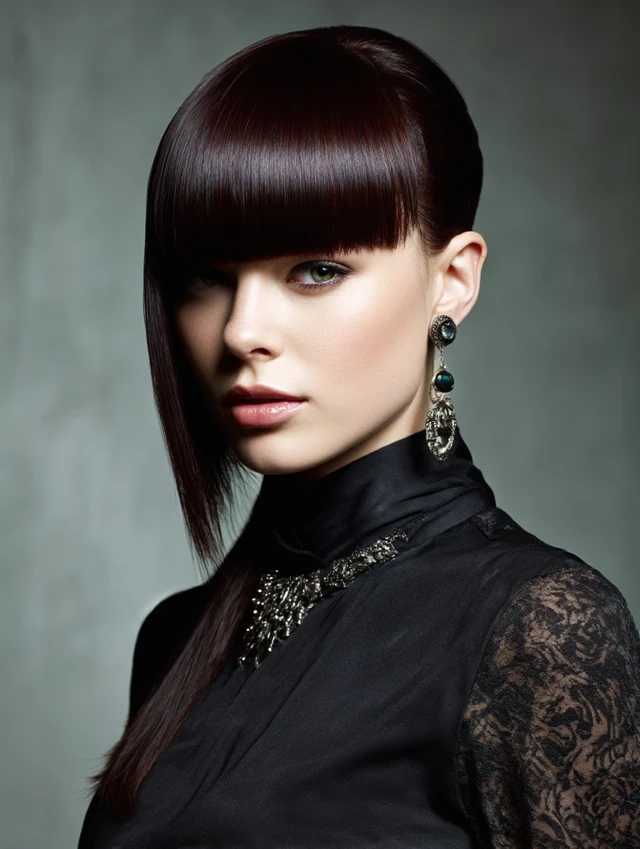
It works especially well with straight hair and can be styled with a flat iron or smoothing products to keep everything crisp. The fringe helps frame your face and adds a stylish focal point.
Trixie with Undercut
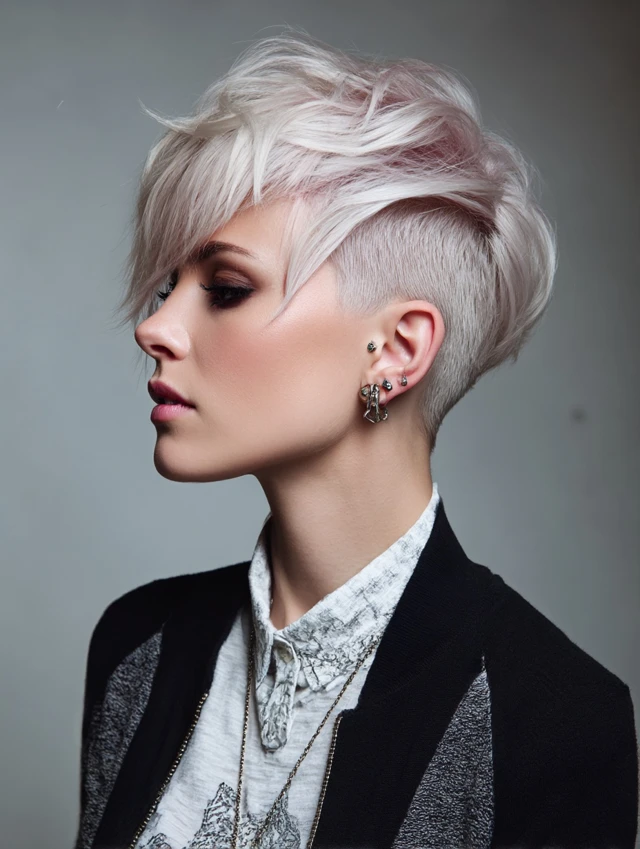
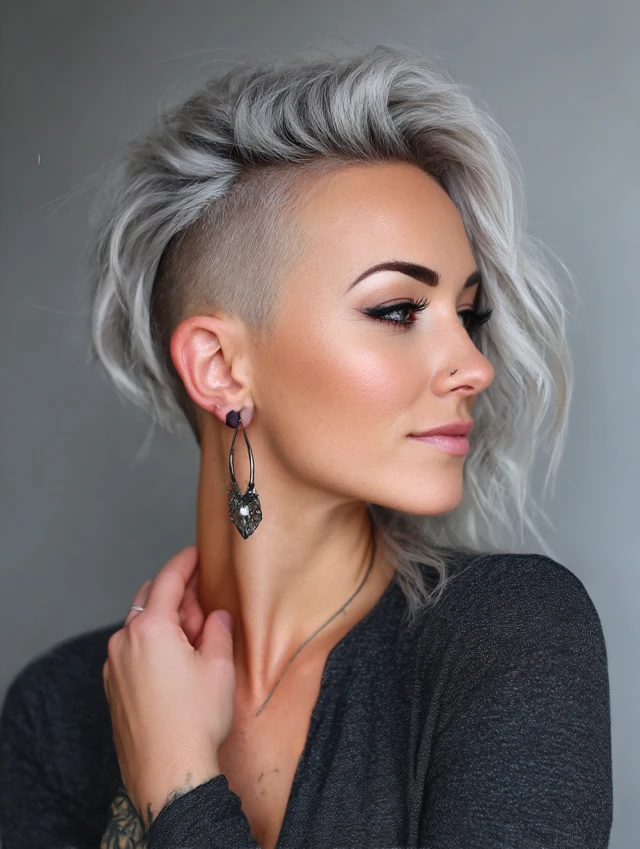
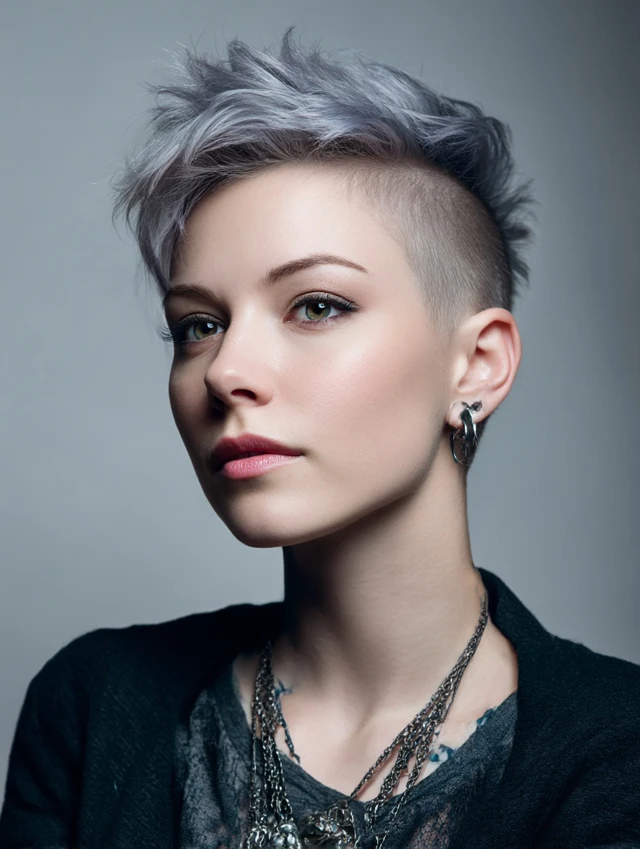
If you want something more daring, adding an undercut gives the trixie a sharp, high-contrast edge. The top stays textured and voluminous while the sides or nape are shaved or closely cropped.
1
2
3
4
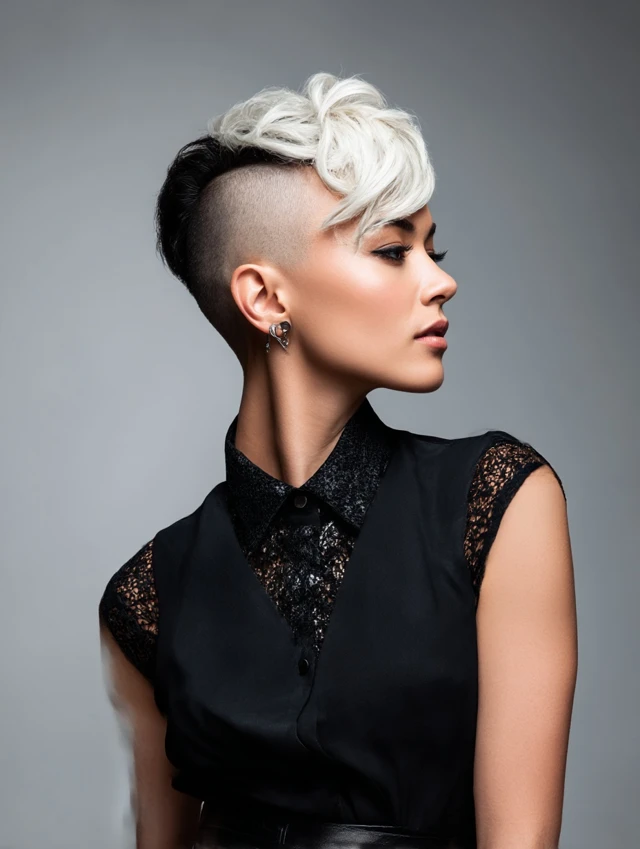
It’s a strong style choice that highlights your facial features and makes styling quicker—just focus on the top section.
Face Shapes
- Oval faces — Works beautifully. The crown volume enhances the face’s natural balance.
- Long faces — The crown volume adds width, which helps balance a long face. Keep sides close.
- Round faces — Use with care — the crown volume needs to be directed upward rather than outward to avoid adding width.
- Square faces — The strong silhouette of the Trixie cut can complement a square face when the crown shape is rounded rather than angular.
How to Ask for a Trixie Cut
The Trixie cut requires a stylist who is comfortable with precision cutting and architectural silhouettes. When booking:
- Say: “I’d like a Trixie cut — significant volume and length at the crown, closely tapered sides and nape, with a strong, sculptural silhouette.”
- Specify crown length: “I’d like the crown section approximately [2–4 inches] for good volume.”
- Clarify the taper: “I’d like the sides and nape tapered close — ideally using clippers for a clean, defined taper.”
- Bring reference photos — essential for a cut this specific.
How to Style a Trixie Cut
For Maximum Crown Volume
Apply a volumizing mousse to the damp crown section. Blow dry upward with a round brush or a vent brush, directing all airflow upward to lift the roots aggressively. Finish with a flexible pomade worked through the crown section to define and hold the shape. A light mist of hairspray sets everything in place.
For a More Relaxed Trixie
Apply a texturizing cream to damp hair and air dry. The crown section will form its own natural volume as it dries, and the result is a softer, more casual version of the Trixie’s dramatic shape.
For Curly Trixie Cuts
Apply a curl cream to soaking-wet hair, scrunch upward, and diffuse on low heat. The curls will fill the crown section naturally, creating the Trixie’s signature top volume organically.
Maintaining the Trixie Cut
The Trixie cut’s structure is entirely dependent on the precision of the taper and the crown length. As the hair grows, the taper softens and the crown loses its defined shape. This cut needs trimming every 4–6 weeks — more frequently than most — to stay looking intentional.
If you travel frequently or can’t commit to regular salon visits, consider whether the maintenance schedule is realistic before booking your first Trixie cut appointment.
Color and the Trixie Cut
The Trixie cut is a blank canvas for bold color choices:
- Bold single-process color — A rich, saturated tone (deep auburn, cool black, vivid copper) in a Trixie cut is striking.
- Two-tone color — Darker sides and a lighter crown, or vice versa, enhances the cut’s structural contrast.
- Fashion colors — Vivid colors (burgundy, copper, deep violet) look incredible in a Trixie cut’s dramatic silhouette.
- Salt and pepper natural — The Trixie cut is stunning on women embracing their natural grey — the architectural shape makes the silver tones look deliberate and powerful.
The Bottom Line
The Trixie cut is not for the faint-hearted — and that’s exactly its appeal. It’s bold, sculptural, and unapologetically dramatic. For women who want a haircut that reflects genuine personality and style confidence, there are few options as impactful.
Find a stylist with experience in precision and architectural cuts, bring your reference photos, and commit to the maintenance schedule. The Trixie cut rewards that investment with a look that is genuinely unlike anything else.
