
If there’s one haircut that has dominated social media feeds, salon request lists, and beauty editorial pages over the past couple of years, it’s the butterfly cut. Voluminous, face-framing, and effortlessly romantic, the butterfly cut manages to feel both retro and completely of-the-moment — a rare combination that explains its enduring popularity.
But what exactly is the butterfly cut? Who does it work for? And how do you style it at home? This guide covers everything you need to know before booking your next appointment.
What Is the Butterfly Cut?
The butterfly cut is a layered haircut defined by two distinct lengths: shorter, face-framing layers that fan out from the crown (like butterfly wings) and longer layers underneath that create weight and movement. The contrast between the two lengths is the signature of the style — the shorter layers lift and frame the face while the longer layers flow behind.
When worn down, the shorter crown layers create volume and shape that frames the face beautifully. When the hair moves, the two lengths shift and separate in a way that genuinely resembles butterfly wings — hence the name.
The butterfly cut is closely related to the classic 70s layered cut and shares DNA with the shag — but it’s more deliberately structured, with the two-tier effect being more pronounced than in a general layered cut.
Why the Butterfly Cut Became Such a Phenomenon
The butterfly cut’s viral moment began on TikTok, where stylists and clients began sharing before-and-after transformations that consistently produced the same reaction: an immediate, dramatic increase in volume and face-framing effect. For women who had been wearing flat, one-length styles, the change was genuinely transformative.
Its appeal spans age groups. Younger women love it for its throwback 70s energy. Women in their 30s, 40s, and 50s love it for the volume, lift, and the way it frames the face. It works across hair types — straight, wavy, and curly — which gives it an unusually broad appeal for a trend haircut.
Who Is the Butterfly Cut For?
Best Hair Types for the Butterfly Cut
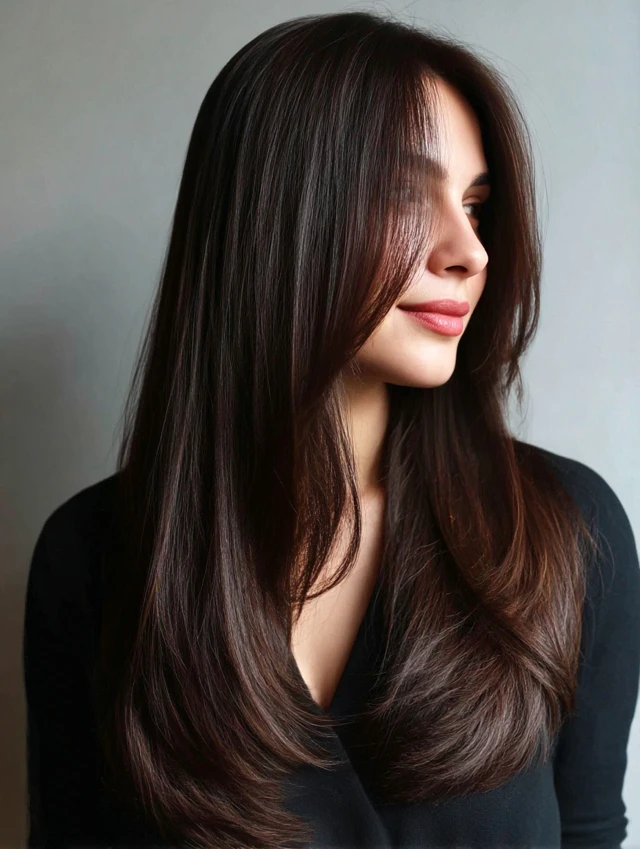
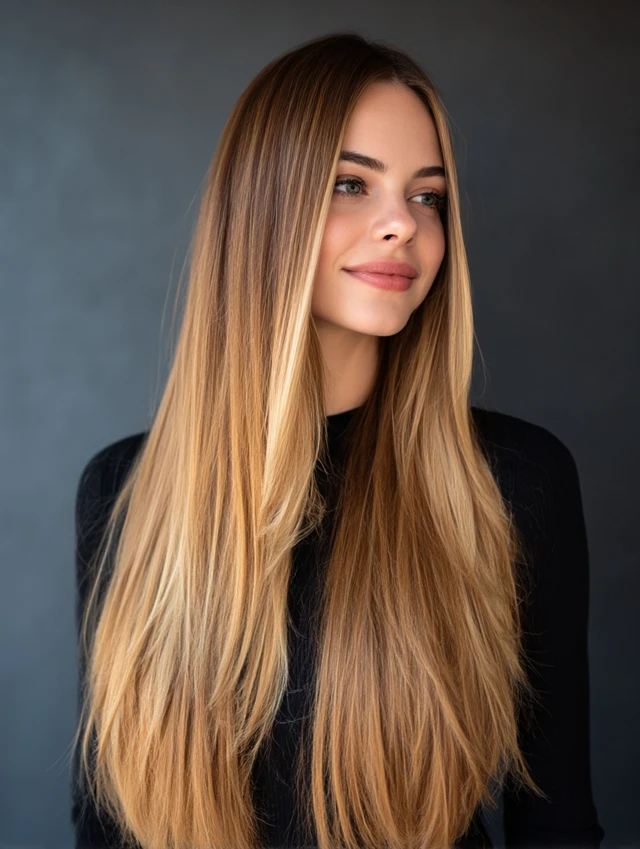
1. Straight hair— The two lengths show the most clearly on straight hair, making the structural effect of the cut very visible. It adds volume that straight hair often lacks
1
2
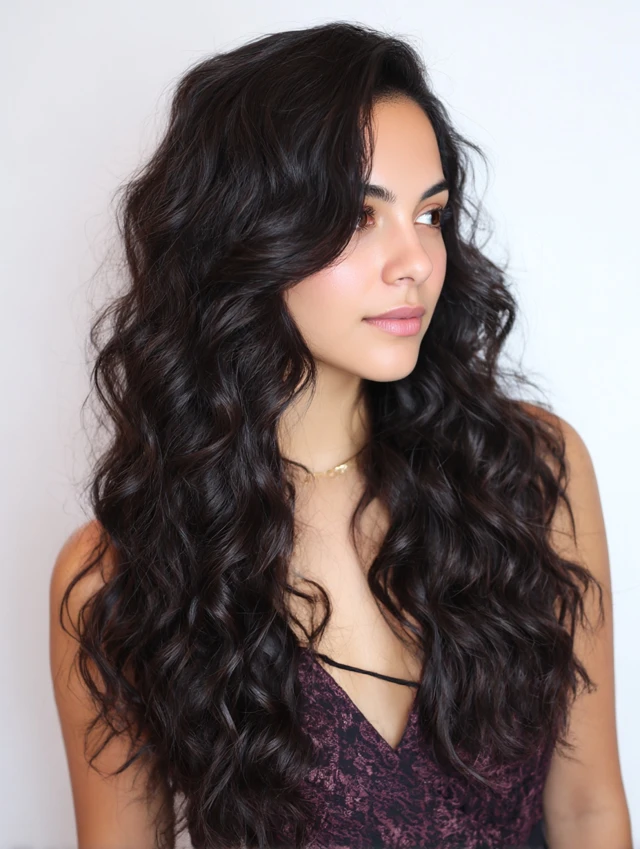
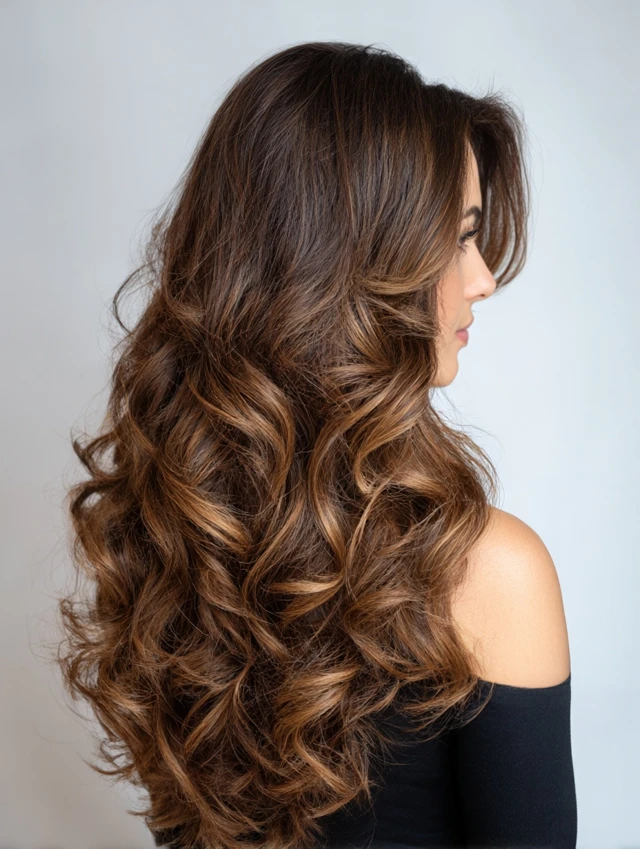
2. Wavy hair — Wavy hair in a butterfly cut is arguably the most beautiful combination. The waves enhance the movement of the layers and create a romantic, effortless look.
1
2
3
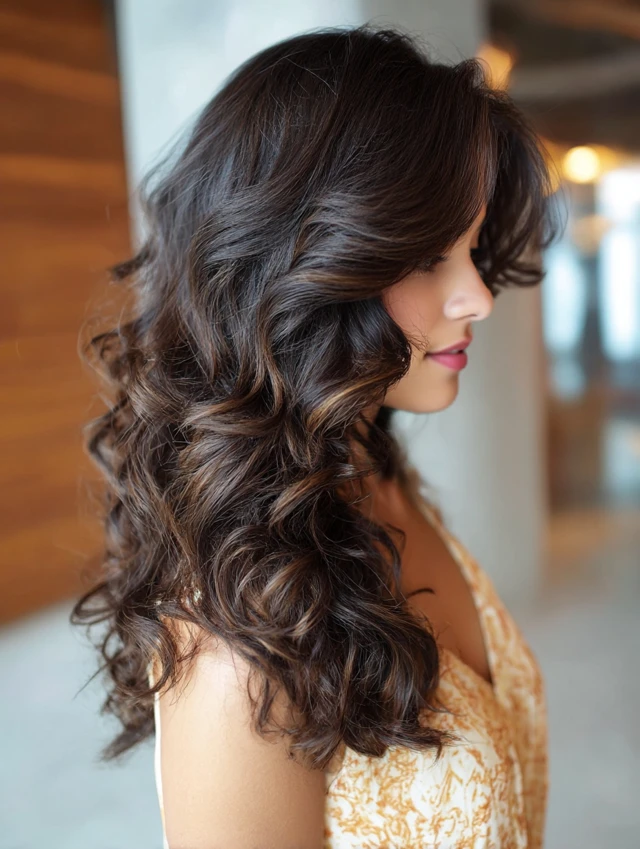
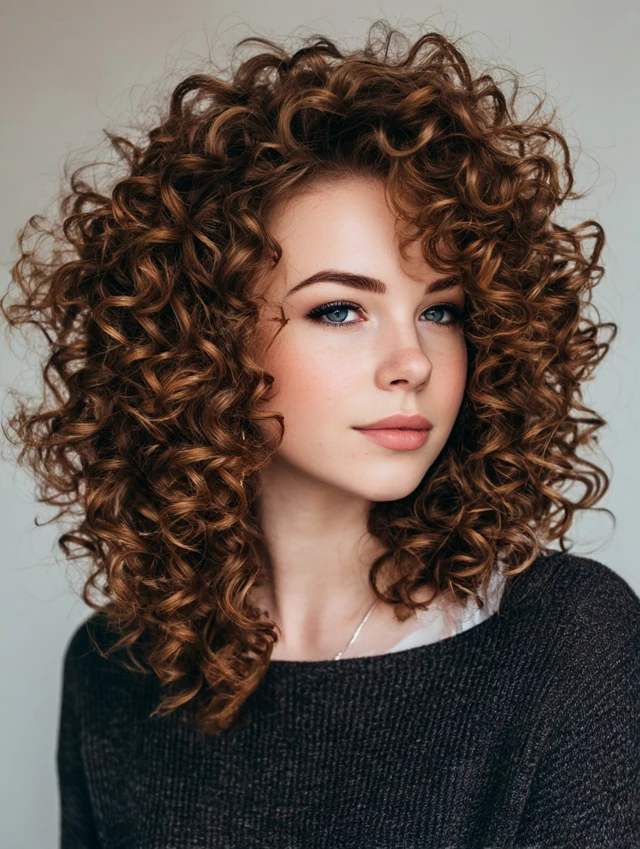
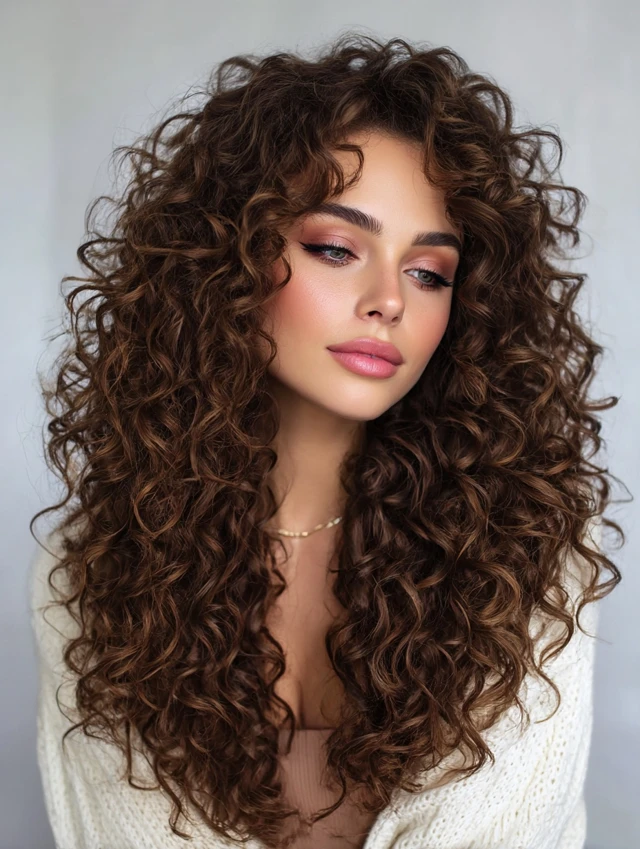
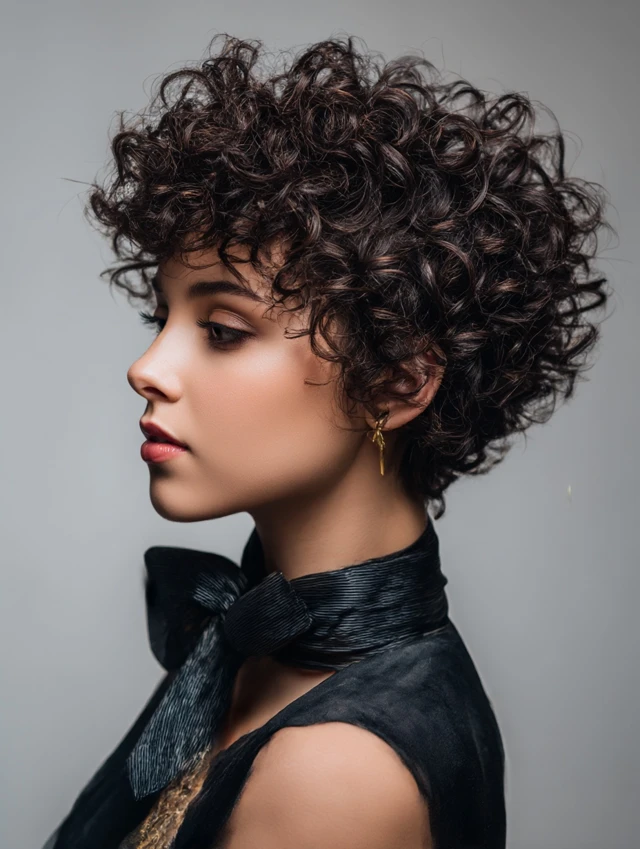
3. Curly hair — Curly hair benefits enormously from the butterfly cut’s layering. The shorter crown layers create a defined top section while the longer layers give curls room to stretch and define.
1
2
3
4
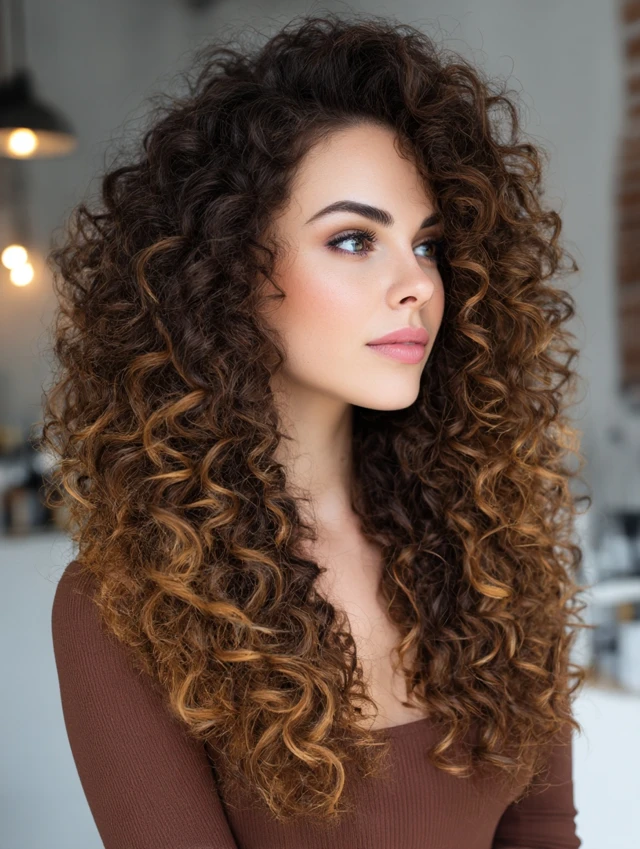
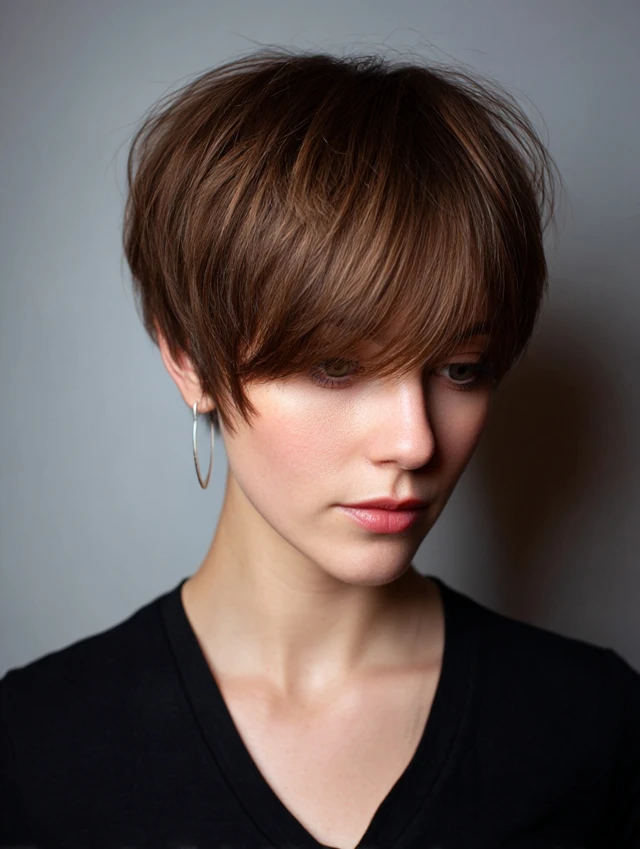
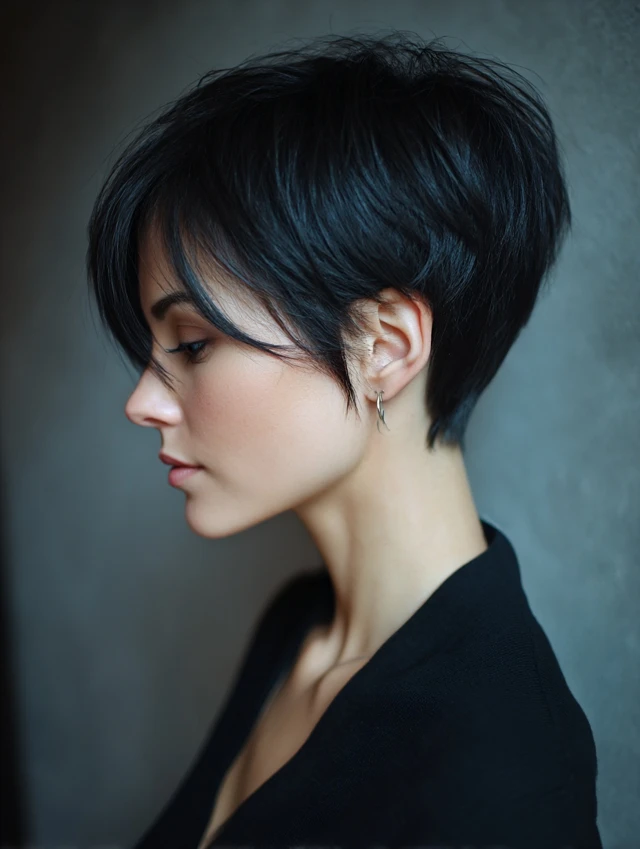
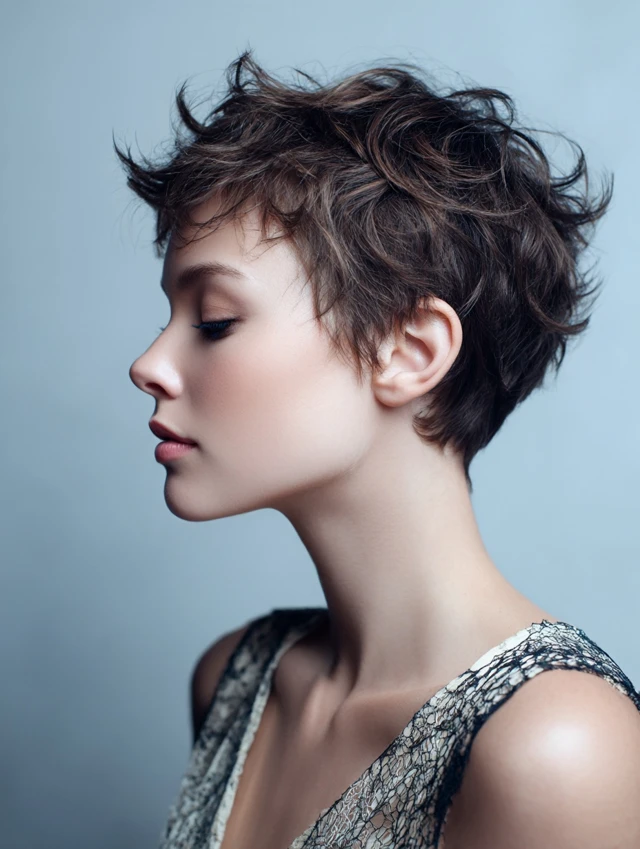
4. Fine hair — The butterfly cut is particularly valuable for fine hair because the shorter layers at the crown add visible volume and lift that fine hair struggles to produce on its own.
1
2
3
Best Face Shapes for the Butterfly Cut
- Oval faces — Handles the butterfly cut beautifully. The face-framing layers complement the oval’s balanced proportions.
- Round faces — The height created at the crown helps elongate the face. Keep the face-framing layers long enough to reach the chin.
- Long faces — The shorter crown layers add width across the middle of the face. Pair with a fringe for additional shortening effect.
- Heart-shaped faces — The flowing lower layers balance a wider forehead and narrower chin beautifully.
How to Ask for a Butterfly Cut
Communication with your stylist is critical for a butterfly cut. Here’s exactly what to say:
- “I’d like a butterfly cut with a significant difference between the crown layers and the underneath layers.” — This establishes the two-tier structure clearly.
- “Please keep the underneath layers long — I want the contrast to be visible.” — Without this clarification, some stylists blend the layers too seamlessly.
- “I’d like the crown layers to start at approximately [specify level — chin, cheekbone, or brow].” — The starting point of the shorter layers changes the look significantly.
- “I want the face-framing layers to fall toward my face, not away from it.” — This shapes the cut’s framing effect.
Bring reference photos. The butterfly cut has many variations — some with very dramatic length contrast, some more subtle — and showing your stylist exactly what you’re after saves time and reduces ambiguity.
How to Style a Butterfly Cut
For Maximum Volume and the Classic Butterfly Effect
Flip your head upside down and rough-dry the roots with a blow dryer on medium heat. Flip back upright and use a round brush on the crown layers, directing volume upward and outward. Finish the longer underneath layers with the round brush directing outward away from the face. The result should be voluminous on top and flowing underneath — exactly the butterfly effect.
For a Relaxed, Wavy Finish
Apply a sea salt spray or wave-enhancing cream to damp hair and either air dry or diffuse on low heat. The butterfly cut’s layers will form natural movement as the hair dries, creating a relaxed, effortlessly beautiful finish with no additional styling required.
For a Sleek, Straight Look
Blow dry straight with a paddle brush, then use a flat iron on the lengths. Use a small round brush on the crown layers to create a slight outward curve — even in a straight style, a little lift at the crown enhances the butterfly cut’s face-framing effect.
Products That Enhance the Butterfly Cut
- Root-lifting spray — Applied before blow-drying for maximum crown volume.
- Sea salt spray — Enhances the wave and movement in the layers for a natural finish.
- Lightweight hair oil — Applied to the longer underneath layers for shine and definition.
- Flexible-hold hairspray — Holds volume without stiffness.
- Heat protectant — Essential before any blow-drying or heat styling.
Maintaining the Butterfly Cut
The butterfly cut requires regular maintenance to keep its shape. The shorter crown layers grow at the same rate as the longer layers underneath, which means the contrast between the two lengths gradually reduces. A trim every 8–10 weeks will keep the cut looking intentional and well-defined.
Between trims, the cut’s shape can be refreshed with a targeted trim of the crown layers only — many stylists will offer this as a shorter, less expensive appointment between full cuts.
The Butterfly Cut and Color
Color and the butterfly cut are a beautiful pairing. The two-tier layer structure creates natural planes for color placement:
- Balayage — The graduated color of a balayage follows the layers naturally, with lighter tones at the crown and deeper tones in the underneath sections.
- Face-framing highlights — Lighter pieces placed specifically in the face-framing crown layers brighten the face and enhance the butterfly cut’s defining feature.
- Color melting — The seamless blending of color melting looks particularly stunning in a butterfly cut, where the layers create natural transitions between tones.
The Bottom Line
The butterfly cut is one of the most flattering, versatile, and genuinely transformative haircuts available right now. Its combination of face-framing crown layers and flowing underneath lengths works for virtually every hair type and face shape, adding volume, movement, and a romantic, fashion-forward quality to any style.
If you’ve been wearing the same haircut for years and want a change that will make a real difference — not just a trim — the butterfly cut is worth serious consideration. Book a consultation, bring your reference photos, and prepare to fall in love with your hair again.