
Hairstyles for thin fine hair over 50 work best when the cut creates shape without removing the density delicate strands need. Stronger perimeters, carefully positioned layers, strategic crown volume, and lightweight bangs can make hair appear more substantial while keeping everyday styling manageable. From polished bobs and textured pixies to shoulder-length cuts, there are plenty of flattering possibilities beyond simply cutting fine hair extremely short.
The key is avoiding excessive layering or aggressive thinning that can leave already-fine ends looking sparse. Lightweight styling products and controlled root lift can complement the haircut without weighing strands down. These 17 hairstyles for thin fine hair over 50 explore short, medium, sleek, textured, and softly layered options designed to maximize the appearance of fullness.
The Small Details That Make Fine Hair Look More Substantial
Fine hair generally benefits from keeping enough strands together to create visual density. A blunt baseline can strengthen the ends, while carefully placed crown or face-framing layers introduce movement without sacrificing too much fullness.
Styling also matters. Heavy oils, thick creams, and excessive wax can collapse fine strands, while lightweight mousse, root spray, and dry texture products can provide support. Concentrating volume around the crown and front usually creates a more convincing result than teasing every section.
Blunt Chin-Length Bob
A blunt chin-length bob keeps layering to a minimum so fine strands remain concentrated along a strong perimeter. Removing excess length can reduce downward weight, helping the roots sit more freely while the substantial baseline creates the impression of thicker ends.

Apply lightweight volumizing mousse around the roots and blow-dry with gentle elevation. Keep the perimeter smooth rather than heavily separated, adding only a subtle bend for movement. Avoid thick oils or waxes near the ends. A side part can create additional lift while maintaining the bob’s clean, density-enhancing shape.
Soft Layered Pixie
A softly layered pixie removes excess length while preserving enough crown hair to create lift and movement. Restrained layering is important with thin fine hair because overly short or heavily texturized sections can expose the scalp rather than creating desirable volume.

Apply a small amount of root mousse before blow-drying the crown upward and slightly forward. Keep the sides neat and define only selected upper pieces with lightweight styling cream. Avoid coating every strand. Broader sections create a fuller appearance while maintaining the pixie’s soft, natural-looking texture.
Stacked Bob With Crown Lift
A stacked bob uses controlled graduation through the back to support additional crown elevation. The technique can create a fuller profile without requiring aggressive teasing, while maintaining stronger side and front sections helps fine hair retain visible density.

Apply lightweight root spray and blow-dry the graduated back sections with a small round brush. Lift gently rather than creating exaggerated height. Keep the front comparatively smooth and substantial. Once cool, loosen the crown with your fingertips. Regular trims help preserve the graduation responsible for the bob’s supportive, rounded shape.
Collarbone Blunt Lob
A collarbone lob offers additional length while preserving fullness through a strong, minimally layered baseline. This option works well when you prefer medium hair but want to avoid the wispy appearance that excessive layering can create on thin strands.

Blow-dry with moderate root elevation and keep the ends smooth or create several broad bends for movement. A lightweight volumizing spray can support the crown without coating the lengths. Avoid aggressive texturizing through the perimeter. Keeping the lower sections visually grouped allows the longer hairstyle to retain a denser appearance.
Bixie With Side-Swept Bangs
A bixie combines the manageable proportions of a pixie with slightly longer sections around the crown and sides. Side-swept bangs introduce directional movement across the forehead, while the extra upper length provides useful material for creating the appearance of volume.

Apply lightweight mousse and blow-dry the crown with gentle elevation. Direct the fringe diagonally without flattening its roots. Once dry, define several pieces using minimal flexible paste. Keep the ends relatively grouped instead of heavily separated. This balance helps the bixie appear textured while preserving visual fullness.
French Bob With Light Fringe
A French bob typically finishes around the jaw, allowing fine strands to remain compact and visually substantial. Light fringe adds facial framing without using the large amount of hair required for dense bangs, helping preserve fullness through the remaining haircut.

Blow-dry the fringe with minimal tension and allow several pieces to separate naturally. Keep the bob smooth or introduce a few broad bends through the sides. Apply dry texture spray sparingly near the roots for support. Avoid excessive product through the ends so the strong perimeter remains clean and lightweight.
Rounded Bob With Side Part
A rounded bob creates gentle fullness through the crown and sides while a side part shifts additional hair toward one area for instant elevation. Keeping the perimeter relatively strong prevents the curved silhouette from becoming overly feathered or thin.

Use lightweight volumizing mousse and a round brush to create restrained lift through the crown. Establish the side part while the hair is damp for stronger directional volume. Curve the ends gently without rolling them tightly underneath. Flexible hairspray can maintain the shape while allowing the strands to remain movable.
Textured Pixie With Longer Top
A textured pixie with a longer top provides enough length for controlled separation and crown lift while keeping the sides compact. The contrast can make the upper section appear fuller, particularly when the texture is created selectively rather than through aggressive thinning.

Finger-dry the crown upward after applying a small amount of lightweight mousse. Once completely dry, use minimal matte paste to define several pieces while leaving others naturally grouped. Avoid exposing large gaps between strands. Controlled texture creates dimension without sacrificing the visual density fine hair needs.
Shoulder-Length Cut With Face-Framing Pieces
A shoulder-length cut can work beautifully for thin fine hair when the baseline remains substantial and face-framing pieces are kept relatively long. The subtle front movement adds interest without removing excessive density from the back or lower perimeter.

Apply root-lifting spray before blow-drying with gentle crown elevation. Direct the facial pieces slightly away from the cheekbones and keep the remaining lengths smooth. Broad bends can provide movement without creating overly separated ends. Avoid numerous short layers, allowing the shoulder-length perimeter to remain the hairstyle’s strongest feature.
Short Bob With Wispy Bangs
A short bob with wispy bangs combines a strong lower perimeter with delicate forehead framing. The contrast is particularly useful for fine hair because the bangs remain lightweight while most strands stay concentrated through the bob’s fuller-looking baseline.

Blow-dry the bangs with minimal tension and keep the roots slightly elevated. Style the bob smoothly or create a subtle bend through selected sections. Avoid applying oil around the fringe, where fine strands can quickly become separated. Lightweight texture mist can provide gentle support without compromising softness or movement.
Soft Shaggy Bob
A shaggy bob can suit fine hair when the layering remains restrained rather than aggressively razored. Gentle crown movement creates texture, while preserving density around the perimeter prevents the ends from looking sparse or overly fragmented.

Work lightweight mousse through damp hair and finger-dry the crown with moderate elevation. Encourage broad bends rather than numerous tiny pieces. Once dry, define only selected upper layers with texture spray or minimal paste. Keeping the lower sections relatively substantial balances the relaxed movement through the crown.
Sleek One-Length Bob
A one-length bob eliminates unnecessary layering, allowing fine strands to gather along a clean, substantial baseline. The sleek surface reflects light beautifully, while the compact shape keeps delicate hair from being pulled downward by excessive length.

Apply heat protection and blow-dry smoothly with slight elevation at the roots. Keep the ends straight or add a restrained inward bend. Use serum very sparingly and only where necessary. A lightweight root spray can prevent the sleek finish from appearing flat while preserving the haircut’s polished simplicity.
Long Pixie With Wispy Fringe
A long pixie preserves additional hair through the crown and front, creating more opportunities for lift and directional styling. Wispy fringe provides soft forehead coverage without taking too much density away from the upper sections, making the hairstyle adaptable for finer strands.

Blow-dry the crown upward and direct the fringe gently toward one side. Use lightweight styling foam instead of heavy wax to maintain movement. Once dry, separate only a few front pieces. Keeping the remaining strands grouped helps the longer pixie retain a fuller, softer appearance.
Angled Bob With Fuller Front
An angled bob keeps the back slightly shorter while allowing the front sections to remain longer and visually substantial. The directional perimeter creates interest without requiring extensive layering, making it a useful option when preserving density is a priority.

Blow-dry the crown with moderate lift and direct the longer front sections smoothly toward the jaw. Keep the ends relatively blunt and avoid excessive texturizing. Lightweight root spray can support the shorter back sections. A subtle side part adds additional elevation without compromising the clean angled silhouette.
Wavy Lob With Minimal Layers
A wavy lob creates the impression of additional body through broad bends while minimal layering preserves density through the ends. Keeping the waves loose and irregular prevents fine hair from becoming overly separated, especially around the lower perimeter.

Apply lightweight volumizing mousse before blow-drying or heat protection before creating waves. Use larger sections to form broad bends and leave several ends straighter. Once cool, loosen gently with your fingers rather than brushing extensively. Finish with a light texture mist concentrated mainly around the roots.
Cropped Pixie With Soft Volume
A cropped pixie removes enough length to reduce weight while maintaining slightly fuller sections through the top. Soft root elevation can make fine strands appear livelier without relying on exaggerated spikes or heavy texturizing products.

Apply a small amount of volumizing mousse and finger-dry the upper sections upward. Keep the sides and neckline smooth to emphasize the crown’s fullness. Once dry, use minimal flexible paste on selected pieces. Avoid excessive separation because a softer, more connected texture usually creates a denser appearance.
Layered Lob With Curtain Bangs
A lightly layered lob paired with curtain bangs offers movement around the face while retaining substantial length through the perimeter. Longer layers are particularly useful for fine hair because they create softness without removing the density needed for fuller-looking ends.
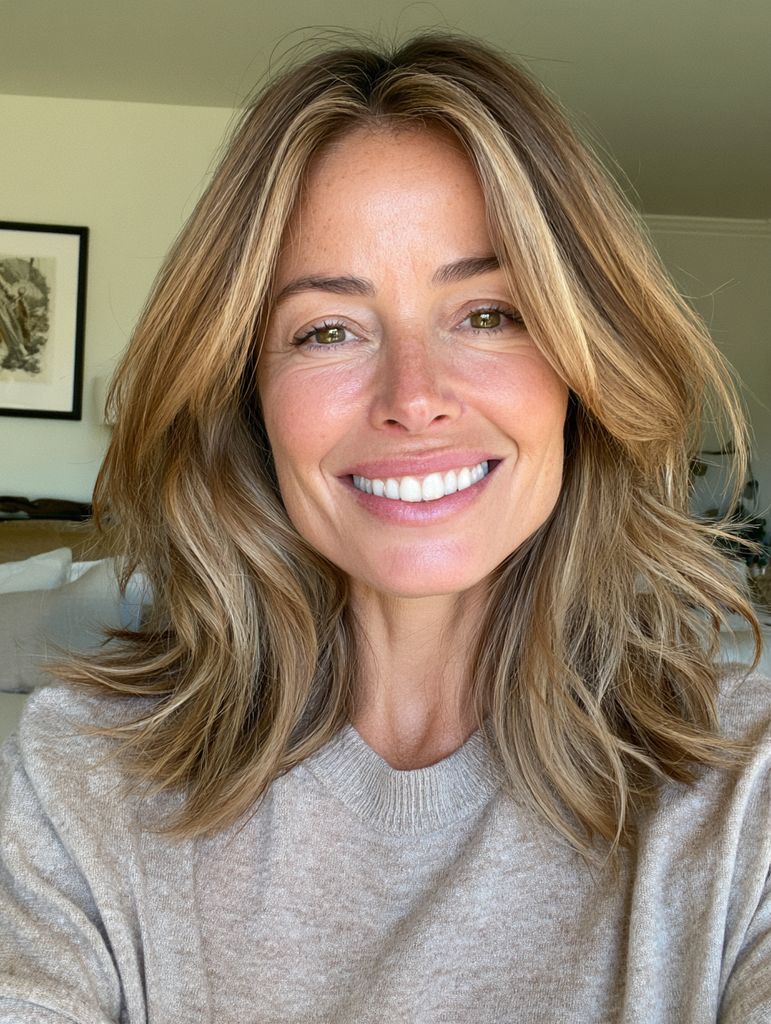
Blow-dry the curtain bangs away from the face using a medium round brush and maintain gentle elevation through the crown. Keep the lower layers broad and softly curved. Avoid heavily feathering the perimeter. Lightweight volumizing spray can provide support while allowing the longer lengths to remain fluid and touchable.
How to Create More Volume in Thin Fine Hair Over 50
Start with a haircut that preserves density where it matters most. Blunt bobs, minimally layered lobs, compact pixies, and controlled graduation can create stronger visual outlines than heavily razored cuts. When adding layers, concentrate them strategically around the crown or face instead of thinning the entire perimeter.
Styling products should remain lightweight. Root mousse, volumizing spray, and dry texture mist can provide support without coating delicate strands. Apply conditioner mainly through the lengths and ends when the roots become easily weighed down. Changing the part can also provide quick lift. When blow-drying, elevate the roots first and allow them to cool before disturbing the shape. Excessive teasing may create temporary height but can also leave the ends looking more separated.
Final Thoughts
Hairstyles for thin fine hair over 50 do not need excessive layering or complicated styling to create attractive volume. Blunt bobs, soft pixies, structured lobs, stacked shapes, subtle waves, and lightweight fringe can all make delicate strands appear more substantial when density is preserved thoughtfully.
Focus on creating shape rather than simply adding more layers. A strong perimeter provides visual fullness, while strategic root elevation introduces movement where it has the greatest impact. With an appropriate haircut and lightweight styling routine, thin fine hair can feel polished, airy, dimensional, and beautifully manageable.
